
Orthodentic Braces
smile starts here
Dental Braces
Causes Of Malocclusion
Why Do You Need The Orthodontics Treatment?
Orthodontics Can Improve Your Health – As braces help align your teeth properly, they also can help prevent tooth decay and other health problems later in life. If you consider the cost of treating multiple cavities, root canals, and other dental treatment costs, braces are worth the investment.
Braces Can Help You Breathe Better – As children get older, the roof of the mouth can block the airway as it develops on its own, and lead to breathing problems, poor sleeping issues, and more.
Braces Can Increase Your Confidence and Self-Esteem – Having straight, attractive teeth empowers people to feel more comfortable and confident in their smiles and overall appearance.
Braces Can Lower Your Risk of Heart Disease – People who have braces, especially as a child or teen, experience a lower incidence of cardiovascular disease.
People With Straight Teeth Have a Better Chance of Being Offered a Good Job
Braces Can Help Your Social Life – An excellent smile is always a plus when you’re making friends and meeting first dates, so we want to make sure you look your best
Do I Need Braces?
- Abnormal alignment of teeth
- Abnormal appearance of the face
- Difficulty or discomfort when biting or chewing
- Speech difficulties (rare), including lisp
OUTCOME OF PROCESS
Pros And Cons Of The Braces
The Pros
Beautiful, Straight Teeth
A straight smile is a healthy one, with minimized chances of developing tooth decay, gum disease, periodontal disease, and more.
Enhances Oral Health
If the problem is never addressed, the risk of tooth decay and other oral diseases can heighten, Improve Your Self-Confidence and Self-Esteem
The Cons
Braces Can Be Very Noticeable
They Can Be Difficult to Clean
Braces trap food far easier than your teeth do
Braces are an expensive proposition.
CONDITIONS TREATED BY Braces
- General stains on your teeth; Getting older teeth.
- Tobacco smoke and food stains, like those from tea and coffee.
- Dental fluorosis – fluorosis with many spots on teeth that can be whitened may help.
- There have been changes inside your tooth, such as the death of the nerve or root canal treatment.
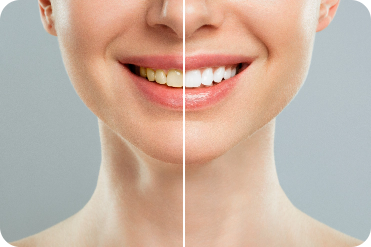
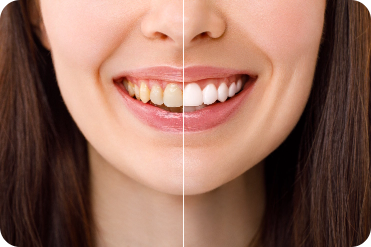
BEFORE AND AFTER
AFTERCARE PROCEDURE
- Brush your teeth at least twice a day using a soft-bristled toothbrush and fluoride toothpaste.
- Floss between your teeth and around your braces once a day. (Ask your dentist or orthodontist about special floss for braces.)
- If you have clear aligners, clean them every day and store them properly when you’re not wearing them.
- Swish with an alcohol-free, antibacterial mouthwash twice a day.
- Avoid hard, crunchy, or sticky foods.
- Visit your orthodontist regularly for tightening and maintenance.
- Visit your dentist regularly for cleanings and routine dental care.
How Should I Care For My Braces
A dentist or orthodontist will give you a detailed list of instructions for taking care of your braces. But here are a few general guidelines:

Brush your teeth at least twice a day using a soft-bristled toothbrush and fluoride toothpaste.

Floss between your teeth and around your braces once a day. (Ask your dentist or orthodontist about special floss for braces.)

If you have clear aligners, clean them every day and store them properly when you’re not wearing them.

Swish with an alcohol-free, antibacterial mouthwash twice a day. Avoid hard, crunchy, or sticky foods.

Visit your orthodontist regularly for tightening and maintenance. Visit your dentist regularly for cleanings and routine dental care.
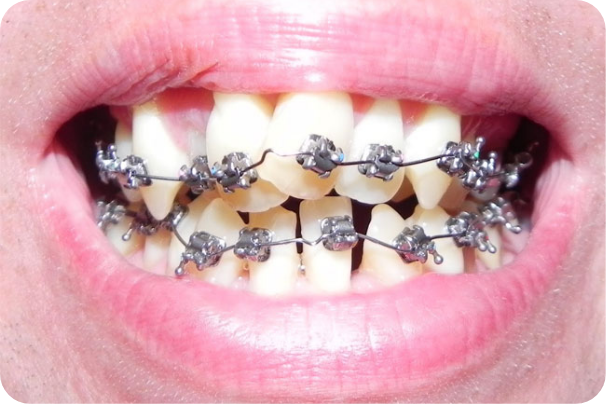
RISKS OF Braces
- There are some mild, expected side effects of braces, including
- Temporary discomfort (which usually occurs the first day and any time your dentist tightens your braces).
- Irritation on your tongue, lips, or inner cheeks.
- Jaw pain.
- Difficulty eating (especially after a tightening).
- You can manage most of these side effects with over-the-counter (OTC) pain relievers. You can also purchase dental wax for braces at your local pharmacy to help with irritation inside your mouth. Simply place some wax over any rough-feeling brackets or wire.
FREQUENTLY ASKED QUESTOIN
?
What is orthodontics?
?
What is an orthodontist?
An orthodontist is a dental specialist who has received two to three years of additional training and experience. Dr. Willes can straighten teeth, correct misaligned jaw structures, and improve the function of your smile.
?
What’s the best age to visit the orthodontist?
?
How can I take care of my teeth if I’m wearing braces or a retainer?
With braces, you should brush your teeth at least three times a day to keep your teeth, gums, and mouth healthy and clean. Brushing regularly will help remove any food that may be caught between your braces.