

Preventive
Dentistry
smile starts here
Preventive Dentistry
Why is Preventive Dentistry Important?
Why the problem?
- Wipe your baby's gums with a clean cloth 2 times a day before they get any teeth
- Start cleaning your baby’s teeth 2 times a day as soon as they come in
- Teach your child to brush 2 times a day
Who needs the procedure more?
- Gum disease.
- Family members with a history of plaque build-up or cavities.
- A weakened immune system.
- Other illnesses or have been experiencing a lot of stress. (Some conditions can cause changes in your mouth.)
- Ask your dentist how often you should have your teeth cleaned.
Outcome of the procedure
Pros and Cons of the Procedure
Benefits of Preventive Dentistry
Here are some benefits of preventive dentistry listed below:
1. You’ll Avoid Debilitating Ailments
As we just mentioned, preventative dentistry makes debilitating dental issues less likely. Indeed, the small investment of the time it takes to clean and floss your teeth could prevent the discomfort of cavities, abscesses, and other unwelcome oral problems. However, it’s also worth noting that it can save your life!
2. You’ll Identify Issues Early
Preventative dentistry makes dental problems much less likely, but there are never any guarantees. No matter how diligent you try to be, these issues can and will
develop over time. Heck, even dentists suffer from the occasional cavity or a minor build-up of decay!
The good news is that preventative measures help identify such concerns early on.
3. You’ll Learn About Oral Hygiene
Dentists aren’t just there to clean peoples’ teeth and treat any issues that arise. As experts in oral hygiene, they’re well-placed to educate their clients too. Visit the dentist, then, and they’ll explain how to take better care of your teeth and gums at home.
4. You’ll Save Money
Fillings, crowns, and root canals can cost thousands of dollars that you could have saved through preventative dentistry.
5. You’ll Feel More Confident
People with dental problems often experience trouble with their self-esteem as well. They feel self-conscious about their appearance and anxious about the perception of others. In the worst-cases, they might even find it difficult to leave the house and engage in an active social life.
6. You’ll Enjoy Fewer Dental Visits
It’s by far the best way to stay out of the dentist’s chair. Having taken action to keep your teeth in top condition, there’ll be less need to see the dentist for help.
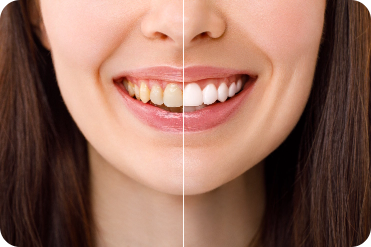
TYPES OF TEETH WHITENING

Regular Dental Exams and Professional Cleanings
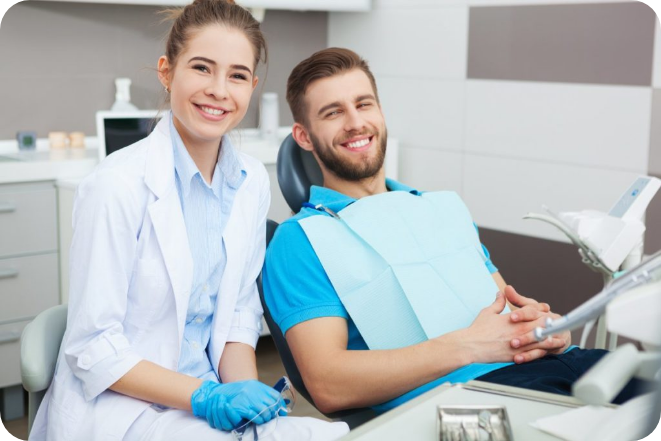
Dental checkups and comprehensive cleanings are an essential part of preventive dentistry. They are carried out at least twice annually, even when you have no existing health problems. The dentist examines your mouth, gums, teeth, and jaws and then cleans them thoroughly.
Fluoride Treatments
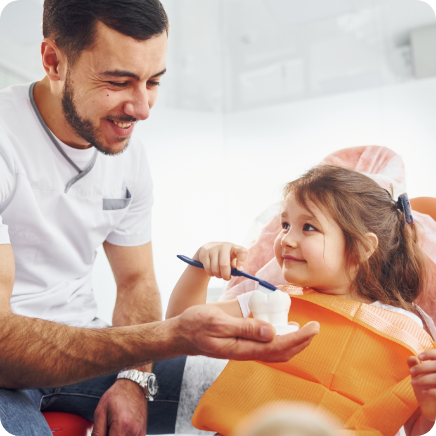
Fluoride is a mineral that strengthens the dental enamel, reducing decay, cavities, and enamel erosion. Our dentist in Boynton Beach administers fluoride treatments at the dental practice. This expert also prescribes fluoride supplements to individuals who need them.

Dental Sealants
These are plastic coatings applied on the chewing surfaces of molars to prevent cavities. This method of preventive dentistry is recommended for kids and adults. The application procedure is fast, easy, and pain-free.
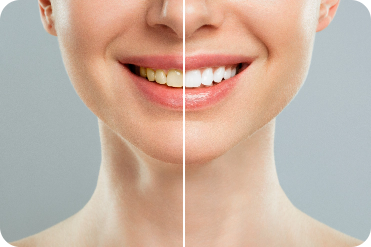
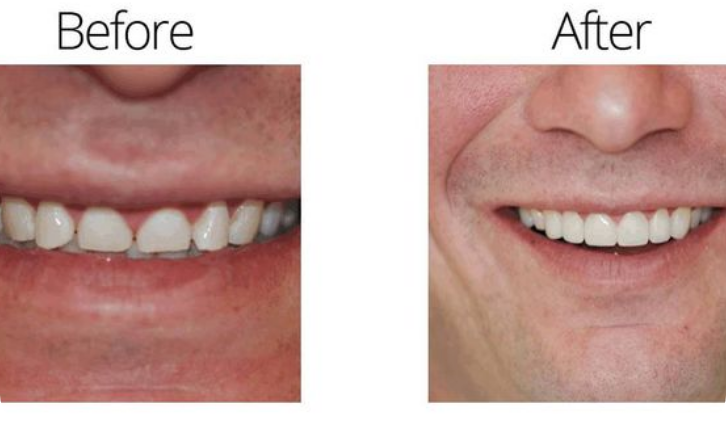
BEFORE AND AFTER
DURING THE TEETH WHITENING PROCEDURE

Dental sealants
Dental sealants are a translucent resin material that the dentist spreads on your child’s teeth. The sealant fills in deep grooves in your child’s teeth where bacteria would normally build up.

Teeth cleanings
Routine professional teeth cleanings are essential for your child’s dental health. During these visits, the dentist will clean the child’s teeth with special techniques and tools to achieve the cleanest teeth possible.

Fluoride
Fluoride can help strengthen and protect your child’s enamel. This solution will prevent cavities and keep your child’s enamel strong as they get older. Fluoride treatment is effective for both baby and adult teeth.
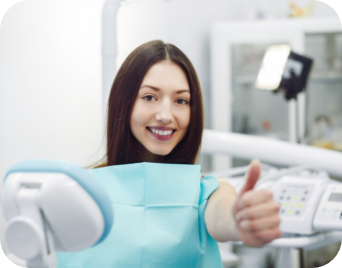
AFTERCARE tips after a routine dental visit
- Wait 30 minutes before eating or drinking
- Avoid hot foods and drinks for 4 hours after teeth cleaning
- Brush gently before bed
- Be on the lookout for warning signs
- The moderate use of electronic cigarettes is OK.
- Avoid colored toothpaste (red or blue) or Mouthwash for 24 hours.
- The moderate use of electronic cigarettes is OK.
- Food and drinks that may be consumed are as follows
- Plain chicken, fish & chips, potatoes, plain pasta and white sauces, cereals, Milk, 7up, and white wine, once it is clear or white. More information and white food recipes are available on our website.
RISKS
Dental cleanings are safe and effective. While there aren’t any risks or complications, you may experience some temporary side effects, such as teeth sensitivity or sore gums.
To manage discomfort, take an over-the-counter pain reliever, such as acetaminophen, naproxen or ibuprofen. Tenderness should go away in a few days.
FREQUENTLY ASKED QUESTOIN
?
What are common preventive dentistry services?
?